INSIDE LOCAL RITUALS
Nordic traditions are rarely simple survivals of pagan antiquity. Instead, they represent centuries of negotiation between agrarian calendars, Catholic liturgical feasts, Lutheran reformations, and modern civic reform.
SANTA LUCIA: LIGHT IN THE DEEPEST SOLSTICE
Every December, schools and town halls across Sweden, Norway, and Swedish-speaking Finland gather for the procession of Saint Lucia. A young person in a white gown and a red sash wears an illuminated crown of candles, followed by attendants singing Sicilian folk tunes re-texted with Swedish lyrics.
While named for Saint Lucy of Syracuse, martyred in the 4th century, the Nordic tradition traces its timing to the Julian calendar, under which December 13 coincided with the winter solstice. In folklore, this night—Lussinatta—was feared as an open portal where the supernatural Lussifärd rode through the darkness, requiring households to stay awake and share saffron buns (lussekatter).
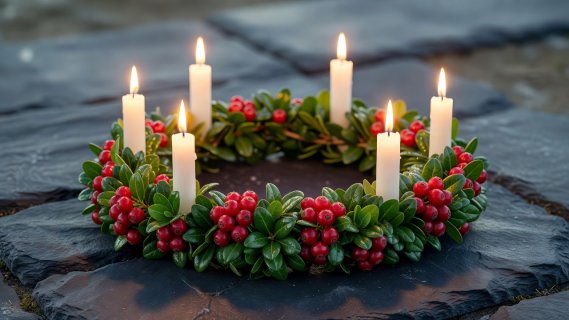 Archival Model: Lucia Candle Diadem, Woven Vaccinium Vitis-Idaea (Lingonberry) Twigs
SAUNA: MEDICINE, CHILDBIRTH, AND EQUALITY
In Finland, sauna is neither a luxury spa nor an athletic novelty: it is an intangible cultural treasure inscribed by UNESCO. Historically, the chimneyless smoke sauna (savusauna) was the cleanest, most sterile structure on a rural homestead. As a consequence, it was where Finnish women gave birth and where the deceased were prepared for burial.
Crucially, sauna is a venue of strict civic equality. Traditional codes forbid boasting, title-dropping, or raised voices. The steam that rises from the stones when water is scooped—the löyly—was long regarded in Karelian and Finnish folklore as an embodiment of breath and vital spirit.
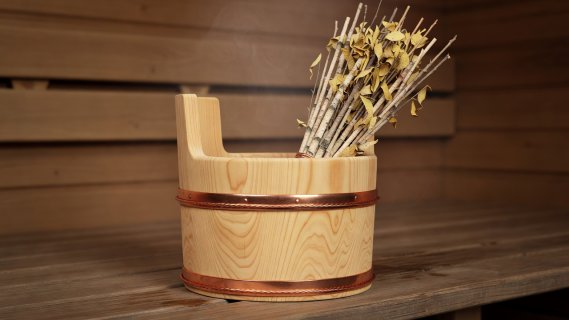 Archival Model: Traditional Coopered Pine Kiulu with Dried Silver Birch Vihta / Vasta
FASTELAVN AND "SLÅ KATTEN AF TØNDEN"
Celebrated on the Sunday before Lent, the Danish tradition of Fastelavn sees children dress in costumes to "beat the cat out of the barrel" (slå katten af tønden). A wooden barrel, decorated with paper silhouettes of black cats and filled with candy and oranges, is struck with batons until it breaks.
In medieval times, superstitious agrarian communities placed a living black cat into the barrel, believing that driving it away would absorb winter plagues and misfortune. The living animal was permanently eliminated from the ritual in the 19th century, leaving behind a lively sweetmeat carnival accompanied by cream buns (fastelavnsboller).
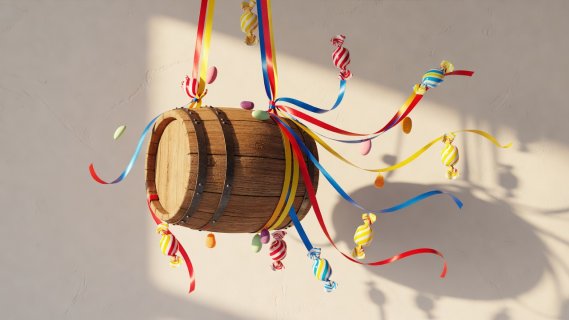 Archival Model: Hand-turned Shrovetide Oak Stave Cask with Paper Cutout Emblems
MORE OBSERVED CALENDAR ANOMALIES
Russ Celebration (Russefeiring)
High school seniors in Norway spend May celebrating graduation dressed in colour-coded overalls (red for general academics, blue for economics), navigating custom-painted party vans (russebiler) while performing light-hearted public dares before final examinations begin.
Surströmming Etiquette
Fermented Baltic herring from the High Coast (Höga Kusten). Regulated by strict etiquette: tins must be opened underwater or outdoors due to pressurised lactic fermentation, and fish is eaten sparingly on flatbread (tunnbröd) with boiled almond potatoes and chives.
The 13 Yule Lads (Jólasveinar)
Rather than a single Santa Claus, Icelandic children await 13 mischievous brothers descended from mountain trolls Gryla and Leppalúði, each with an obsessive prank such as Pot-Scraper (Pottaskefill) or Window-Peeper (Gluggagægir).